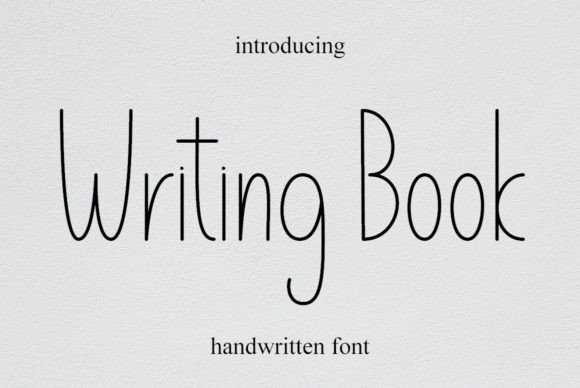
Writing Book
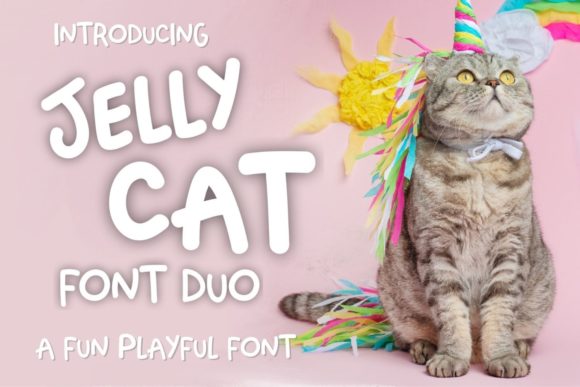
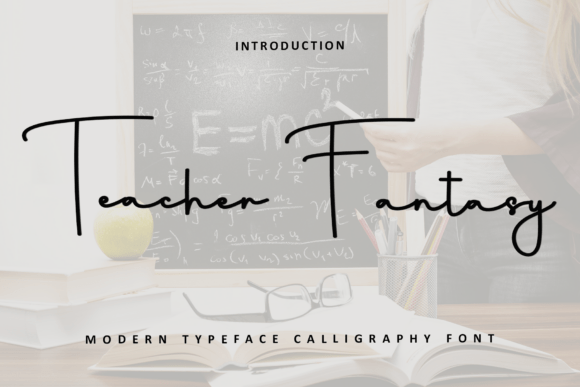
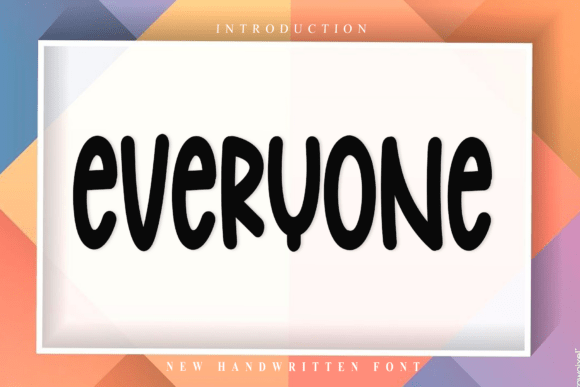
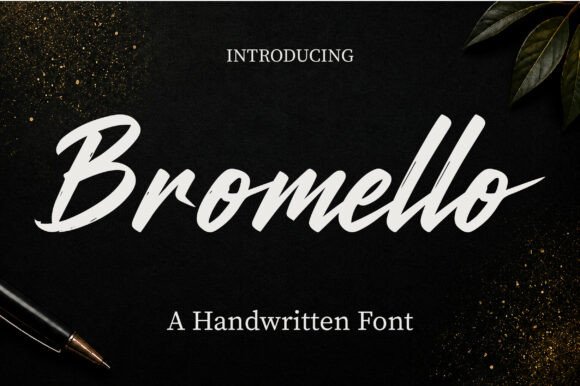
Writing Book is a handwritten font that brings a warm, personal touch to any design project. Its whimsical and quirky style adds character and charm, making it an ideal choice for creative professionals looking to stand out in a crowded market.
When used effectively, Writing Book can elevate the visual appeal of your work while maintaining a friendly and approachable tone. Whether you're designing a logo, crafting a social media post, or creating a print ad, this font offers a unique blend of elegance and playfulness that resonates with a wide audience.
In the realm of graphic design, typography plays a crucial role in conveying messages and emotions. Writing Book is particularly well-suited for projects that require a more personal and authentic feel. Its natural, hand-drawn appearance helps create a sense of connection and familiarity, which can be especially valuable in branding and marketing efforts.
Applications in Visual Design
Writing Book shines in various design contexts. For instance, in logo design, it can add a distinctive flair that sets a brand apart from its competitors. In marketing materials, it can make headlines and call-to-action buttons more engaging and memorable.
Social media graphics benefit from the font's lively personality, making content more eye-catching and shareable. When incorporated into website UI design, it can enhance user experience by adding a human element to digital interfaces.
Practical Uses Across Industries
From editorial layouts to packaging design, Writing Book offers versatility that meets the needs of different industries. It works well in print design, where its handwritten look can evoke nostalgia and authenticity. In digital products, it can help create a cohesive and visually appealing experience.
- Branding and logo design
- Marketing materials
- Social media content
- Website and UI design
- Editorial layouts
- Packaging design
- Advertising campaigns
- Presentations
- Merchandise
- Digital products
When selecting and using design elements like Writing Book, it's important to consider factors such as consistency, readability, and scalability. Ensuring that the font complements other visual elements, such as color palettes and imagery, will contribute to a polished and professional result.
Designers should also think about the target audience and the message they want to convey. A font that feels too casual might not be suitable for a corporate setting, while one that's overly formal could clash with a playful brand identity.
Ultimately, thoughtful design choices can significantly impact the effectiveness of a project. By leveraging fonts like Writing Book, creators can enhance both aesthetics and communication, resulting in more compelling and memorable designs.