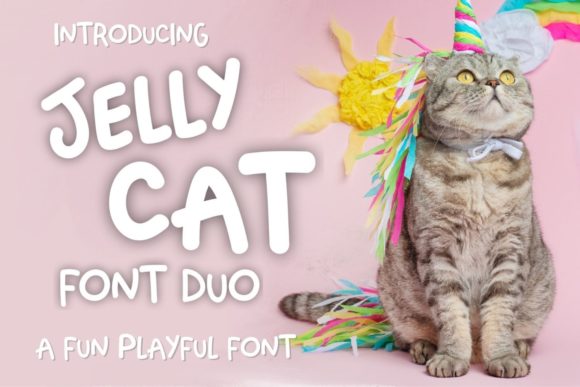
Jelly Cat: A Sweet and Friendly Handwritten Font
When it comes to typography, the right font can make all the difference in how a message is received. Jelly Cat is a unique handwritten font that brings a sense of warmth, creativity, and playfulness to any design. With its natural, organic style, Jelly Cat has become a favorite among designers, artists, and businesses looking for a distinctive visual identity.
Designed with a casual and approachable feel, Jelly Cat mimics the look of hand-drawn letters, giving your projects a personal touch. This font is ideal for those who want to convey a sense of friendliness and authenticity without sacrificing readability. Whether you're creating a logo, a social media post, or a marketing campaign, Jelly Cat offers a versatile and expressive option.
What Makes Jelly Cat Unique?
Jelly Cat stands out due to its distinct characteristics. Unlike traditional fonts that are rigid and uniform, Jelly Cat has a fluid, uneven structure that reflects the natural variation of handwriting. This makes it perfect for designs that aim to feel more human and less mechanical.
The font's irregularities give it a charming, almost whimsical quality, which is why it's often used in creative industries such as graphic design, branding, and content creation. Its soft curves and gentle strokes evoke a sense of comfort and familiarity, making it an excellent choice for brands that want to connect emotionally with their audience.
Key Features of Jelly Cat
- Natural Handwritten Style: Jelly Cat emulates the look of real handwriting, adding a personal and authentic touch to your designs.
- High Readability: Despite its informal appearance, Jelly Cat remains legible even at smaller sizes, making it suitable for a wide range of applications.
- Versatile Usage: From logos and headings to social media graphics and packaging, Jelly Cat adapts well to different formats and mediums.
- Emotional Appeal: The friendly and approachable nature of Jelly Cat helps create a positive impression and fosters a connection with the audience.
Where Can You Use Jelly Cat?
Jelly Cat is incredibly adaptable and can be used in various contexts. Here are some common applications:
- Branding and Logos: Businesses that want to convey a sense of warmth and creativity often use Jelly Cat in their logos or brand identities. It works especially well for cafes, boutique stores, and creative agencies.
- Social Media Content: On platforms like Instagram, Pinterest, and Facebook, Jelly Cat adds a personal and engaging element to posts, stories, and profiles.
- Print Materials: From business cards and flyers to posters and brochures, Jelly Cat can enhance the visual appeal of printed materials while maintaining a professional look.
- Web Design: Websites that aim to feel more welcoming and user-friendly can benefit from using Jelly Cat in headings or call-to-action buttons.
- Personal Projects: Artists, illustrators, and hobbyists often choose Jelly Cat for personal projects such as greeting cards, journals, and DIY crafts.
Who Benefits from Using Jelly Cat?
Jelly Cat is particularly beneficial for individuals and organizations that prioritize a warm, approachable aesthetic. Here are some groups that may find it useful:
- Small Business Owners: Entrepreneurs looking to build a brand that feels authentic and relatable can use Jelly Cat to differentiate themselves from competitors.
- Graphic Designers: Professionals in the design industry appreciate the flexibility and character of Jelly Cat, which allows them to create unique and eye-catching visuals.
- Content Creators: Bloggers, YouTubers, and social media influencers often use Jelly Cat to add personality to their content and engage with their audience more effectively.
- Marketing Teams: Marketers can leverage Jelly Cat to craft messages that feel more genuine and less corporate, helping to build trust with their target audience.
- Students and Educators: In educational settings, Jelly Cat can be used to create visually appealing materials that capture attention and enhance learning experiences.
Strengths and Considerations
While Jelly Cat has many advantages, it's important to consider its limitations and suitability for different projects. One of its greatest strengths is its ability to add a personal touch without being overly casual. However, this same informality may not be appropriate for all types of content, especially in formal or professional environments.
Another consideration is the font's spacing and alignment. Because it mimics handwriting, there may be slight variations in letter positioning that could affect the overall layout. Designers should test the font in different contexts to ensure it meets their specific needs.
Additionally, Jelly Cat may not be the best choice for long blocks of text. While it's readable, it's generally more effective when used in short phrases, headlines, or decorative elements rather than body copy.
Real-World Applications of Jelly Cat
Let’s explore some practical examples of how Jelly Cat can be used in everyday scenarios:
- Wedding Invitations: Couples looking for a romantic and personalized touch might choose Jelly Cat for their wedding invitations, giving them a handmade feel that complements the event's atmosphere.
- Children's Books: Authors and illustrators often use Jelly Cat in children's books to create a playful and inviting reading experience.
- Art Exhibits: Gallery owners and artists may incorporate Jelly Cat into signage, titles, or promotional materials to add a creative and artistic flair.
- Charity Campaigns: Nonprofits seeking to connect with donors on an emotional level might use Jelly Cat in their fundraising materials to convey sincerity and compassion.
How to Evaluate if Jelly Cat is Right for Your Project
Before deciding to use Jelly Cat, consider the following factors:
- Project Purpose: Ask yourself whether the font aligns with the tone and message of your project. Is it appropriate for the audience and context?
- Visual Balance: Ensure that Jelly Cat complements other design elements, such as colors, images, and layouts, without overpowering them.
- Readability: Test the font at different sizes and in different formats to confirm that it remains legible and effective.
- Brand Identity: If you're using Jelly Cat for a brand, make sure it reflects the values and personality of your business.
Conclusion
Jelly Cat is more than just a font—it's a creative tool that can bring a sense of warmth, personality, and authenticity to your designs. Its unique handwritten style makes it ideal for a wide range of applications, from branding and marketing to personal projects and artistic expression. By understanding its strengths, limitations, and potential uses, you can make an informed decision about whether Jelly Cat is the right choice for your next project.